
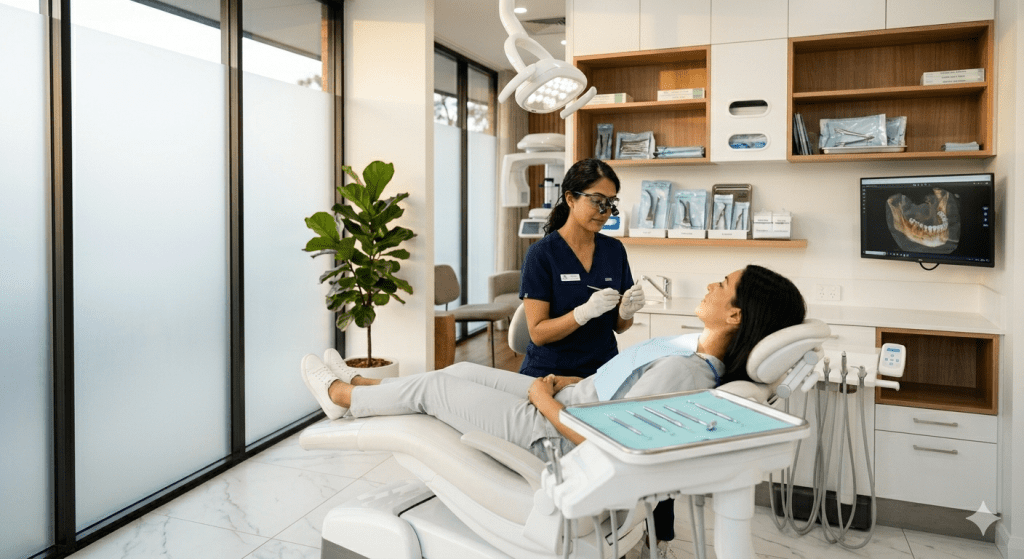
When a dental emergency strikes, knowing where to turn quickly can make a big difference in pain relief and preventing further damage. For residents of Walnut Creek, CA, emergency dentists are ready to provide prompt care for issues like severe toothaches, broken teeth, or infections. An emergency dentist in Walnut Creek offers immediate treatment to ease pain and address urgent dental problems, often on the same day.
These dental professionals understand how stressful unexpected dental injuries can be. They focus on making patients comfortable while using modern techniques to treat a variety of emergencies efficiently. Whether it’s a knocked-out tooth or sudden swelling, Walnut Creek emergency dentists prioritize fast, effective care tailored to each situation.
Finding a trusted emergency dentist nearby means you won’t have to wait in pain. It’s helpful to know your options ahead of time, so you can act confidently if something goes wrong. Encouraging questions and consultations can make the experience less daunting and help ensure the best outcome for dental emergencies.
Recognizing Dental Emergencies
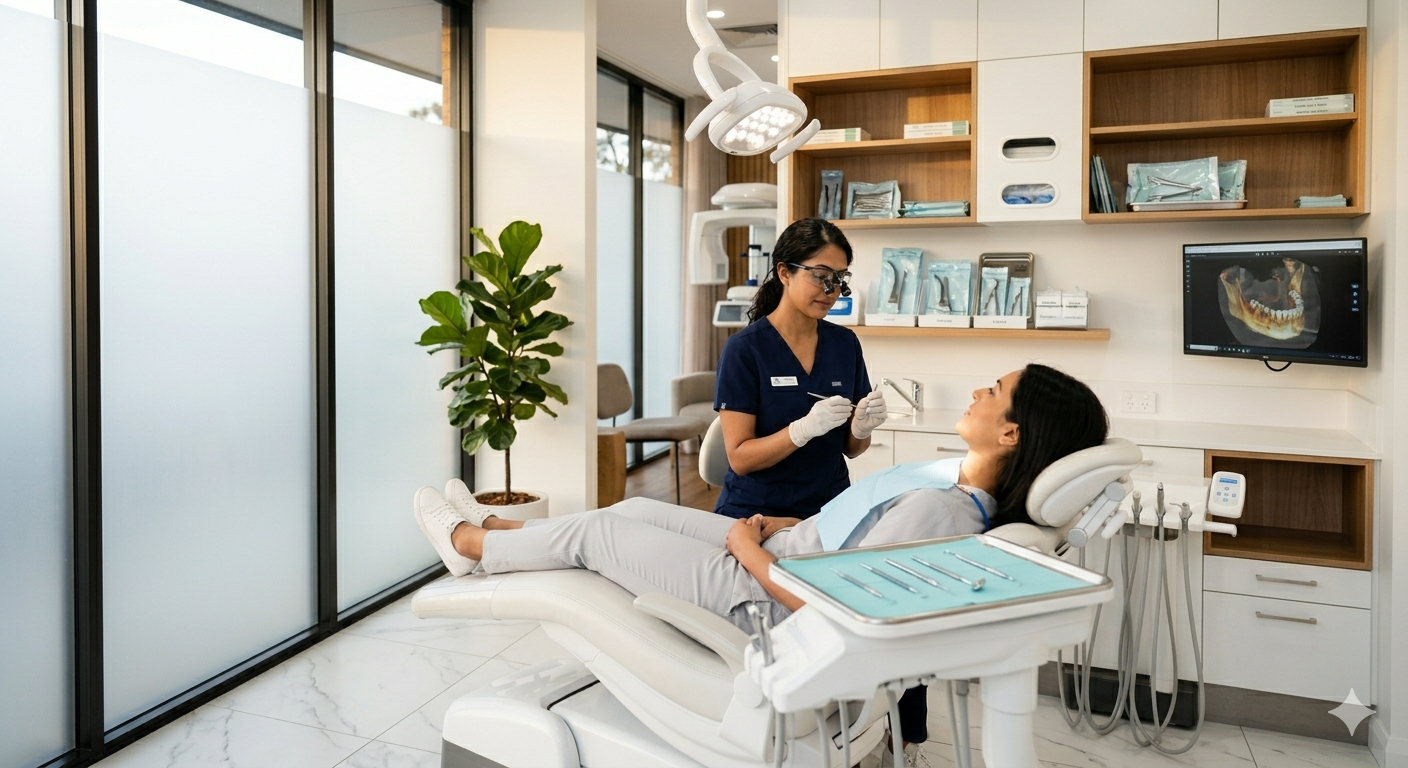
Knowing when a dental issue truly requires urgent care can prevent pain from worsening and protect your overall health. Some symptoms clearly signal the need for fast professional attention, while others might be managed at home initially. Understanding the differences helps avoid unnecessary stress and potential complications.
Common Signs You Need Urgent Dental Care
Severe tooth pain that won’t subside with over-the-counter painkillers is a major warning sign. It could indicate infection, decay, or trauma needing immediate treatment. Another urgent sign is uncontrolled bleeding in the mouth that doesn’t stop after applying gentle pressure for 10-15 minutes.
Other strong indicators include a knocked-out or loose tooth, swelling of the face or gums, and an abscess (a painful, pus-filled bump). Difficulty breathing or swallowing due to oral swelling also demands emergency care. Promptly responding to these signs can save teeth and prevent serious infections.
When to Seek Immediate Help versus Home Care
Immediate emergency care is necessary if the problem involves severe pain, bleeding, swelling, or trauma like a broken or knocked-out tooth. Pain accompanied by fever or spreading redness usually means infection needing antibiotics and possible drainage.
On the other hand, some issues might start with ice packs, saltwater rinses, or pain relief at home. Mild tooth sensitivity, small chips without pain, or minor irritations can be monitored before booking a dental visit. If symptoms worsen or don’t improve within a day or two, it’s best to see a dentist promptly.
Risks of Delaying Professional Treatment
Delaying professional care causes many dental emergencies to escalate. An untreated infection can spread from the tooth to surrounding tissues, leading to facial swelling or systemic illness. What starts as a minor cavity might quickly lead to nerve damage or the need for root canal treatment.
Ignoring trauma to teeth or gums increases the risk of permanent tooth loss and complicated repairs. Persistent pain often signals deeper damage that only a dentist can diagnose and treat effectively. Acting early reduces discomfort, lowers costs, and improves recovery outcomes.
Types of Urgent Dental Issues
Emergency dental problems can vary, but they usually involve sudden pain, damage, or the loss of a dental restoration. Knowing what to expect with each issue helps patients act quickly and seek the right care.
Severe Toothaches and Infections
Severe toothaches often signal an underlying infection or decay reaching the tooth’s pulp. This pain can be sharp, throbbing, or constant, and may worsen with pressure, heat, or cold.
Infections can cause swelling, fever, or a bad taste in the mouth. If left untreated, they can spread to surrounding tissues, making prompt dental care essential. Dentists typically treat the problem with antibiotics and a procedure like a root canal to save the tooth.
Pain relief and infection control are priorities before addressing any longer-term fixes.
Knocked-Out or Broken Teeth
A knocked-out tooth requires immediate attention. If it’s handled carefully and reinserted within an hour, dentists can sometimes save it. Keeping the tooth moist by storing it in milk or saliva is critical.
Broken teeth vary: a small chip may only need smoothing or bonding, but large fractures often require crowns or extraction. Some breaks expose the tooth’s nerve, causing pain and sensitivity.
Quick action improves recovery chances and prevents infection. Avoid chewing on the injured side and contact a dentist right away.
Lost Fillings or Crowns
Fillings or crowns can dislodge due to decay, biting on hard objects, or poor bonding. Losing one can expose the tooth’s vulnerable area, causing sensitivity or pain.
Temporary dental cement or sugar-free gum can cover the exposed tooth while arranging an urgent dental visit.
Ignoring a lost crown or filling increases the risk of further damage or infection. A dentist will clean the area, check for decay, and replace the restoration to protect the tooth.
Keeping the area clean and avoiding sticky foods helps prevent complications before treatment.
Local Solutions in Walnut Creek
Walnut Creek offers several practical options for dental emergencies, focusing on quick care, accessibility, and patient comfort. Emergency dentists here prioritize painless treatment and clear communication to handle urgent dental issues with ease.
What to Expect at Your Visit
When a patient arrives for an emergency dental visit in Walnut Creek, the team typically starts with a thorough assessment of pain, swelling, or injury. This helps determine the urgency and the best treatment path. Most clinics use digital X-rays on-site, speeding up diagnosis without multiple visits.
Patients can expect clear explanations about the treatment options, including any procedures needed to relieve pain or fix damage. The staff also discusses follow-up care and preventive steps to avoid future emergencies. Comfort measures, like local anesthesia or sedation, are common to keep the visit as stress-free as possible.
Same-Day Appointment Availability
Many Walnut Creek emergency dentists understand that dental pain doesn’t wait. They offer same-day appointments for issues like severe toothaches, broken teeth, or infections. Calling early in the day usually secures a spot, but some clinics also accept walk-ins depending on availability.
This prompt access means patients don’t have to endure pain or risk worsening conditions. Procedures done during these visits can range from simple fillings and cleanings to more urgent interventions like root canals or extractions, all aimed at stabilizing the problem quickly.
After-Hours and Weekend Resources
Walnut Creek recognizes that dental emergencies can happen outside normal office hours. Several local providers offer after-hours or weekend emergency services. These options often include limited urgent care focused on pain relief and temporary fixes until a full appointment is available.
In some cases, dental offices partner with 24/7 medical clinics or hospital emergency departments for immediate care when dental-specific treatment isn’t accessible. Patients are encouraged to check clinic websites or call ahead to confirm after-hours availability to ensure they receive the help they need without unnecessary delays.
Modern Treatments for Rapid Relief
Emergency dental care in Walnut Creek, CA, uses the latest methods to quickly ease pain and restore damaged teeth. Patients benefit from targeted pain control and efficient repair techniques that get them back to comfort fast.
Innovative Pain Management Options
Dentists now offer several effective ways to manage dental pain rapidly. Local anesthesia remains a staple, numbing the problem area within minutes to prevent discomfort during treatment. For patients with severe pain, sedation options like nitrous oxide or oral sedatives help relax them while controlling pain.
Non-invasive options such as laser therapy reduce nerve sensitivity and inflammation, providing relief without needles. Over-the-counter recommendations are tailored to each case, often combined with ice packs and rest advice to control swelling and discomfort at home.
These options help patients feel more at ease and allow dentists to address emergencies promptly and comfortably.
Restorative Techniques for Emergency Care
When a tooth is cracked, broken, or lost, dentists use swift restorative solutions. Composite bonding is common for fixing chips or cracks; it’s quick, durable, and blends naturally with the tooth. For more serious damage, temporary crowns protect the tooth until a permanent restoration is ready.
In cases of a knocked-out tooth, immediate re-implantation by a professional greatly improves chances of saving it. Root canal therapy may be performed urgently to treat infection while preserving the natural tooth structure.
Emergency dentists combine speed and precision in these treatments to restore both function and appearance, ensuring patients can eat and speak comfortably soon after care.
Comfort and Compassion in Care
Emergency dental visits can be stressful, so creating a calm and supportive environment is essential. Focused attention to both emotional and physical comfort helps patients feel safer and more at ease during urgent treatments.
Our Approach to Patient Reassurance
The Walnut Creek emergency dental team prioritizes clear communication to ease patient worries. They explain each step of the treatment in simple terms, so no one feels left in the dark. This transparency helps build trust and reduces anxiety.
Patients receive personalized care tailored to their pain levels and dental history. The staff uses gentle techniques and offers breaks during procedures to keep discomfort minimal. Quick pain relief is a top priority, making the visit more manageable for those in distress.
Support for Anxious Patients
Recognizing that many patients fear dental visits, the office offers specific options to manage anxiety. These include calming music, distraction tools, and even mild sedation if needed. Patients are encouraged to share their fears so the team can adjust care accordingly.
Staff members are trained in empathy and patience, often taking extra time to listen and validate patient concerns. This approach softens the overall experience, allowing nervous patients to feel respected and cared for throughout their emergency appointment.
Preparation and Prevention Tips
Being ready for a dental emergency means having the right supplies and habits in place. Simple steps can reduce the risk of sudden problems and help manage pain or damage quickly if an emergency happens.
How to Build an At-Home Dental Emergency Kit
A dental emergency kit should be easy to access and stocked with items that can relieve pain and protect injured teeth. Essential supplies include:
- Sterile gauze to control bleeding
- Pain relievers like ibuprofen
- Dental wax to cover sharp edges
- A small container to hold a knocked-out tooth
- Salt packets for rinsing wounds
- A clean cloth for applying pressure
Keeping the kit in a visible location, such as the bathroom or kitchen, ensures quick access. Regularly check for expired items and replace them to keep the kit ready.
Preventing Dental Emergencies Before They Happen
Most dental emergencies result from accidents or untreated dental problems. Wearing a mouthguard during sports can protect teeth from injury. Avoid chewing on hard objects like ice or pens, which can cause chips or cracks.
Routine dental visits help catch issues early. Brushing twice daily and flossing reduce the risk of decay and gum disease, key causes of painful problems. Teaching children safe habits and keeping an eye on their oral health can prevent many emergency visits.
Next Steps Toward a Healthier Smile
After visiting an emergency dentist in Walnut Creek, CA, the next steps focus on maintaining oral health and preventing future issues. It’s important to follow any care instructions given by the dentist closely. This might include avoiding certain foods, taking prescribed medications, or using special oral rinses.
Regular dental check-ups are key. Scheduling routine exams and cleanings can catch problems early and keep the smile healthy. Dentists often recommend visits every six months, but individual needs can vary.
Patients are encouraged to adopt strong daily habits such as:
- Brushing twice a day with fluoride toothpaste
- Flossing once daily to remove plaque buildup
- Using mouthwash to reduce bacteria
Eating a balanced diet low in sugar supports dental health, too. Drinking plenty of water helps wash away food particles and keeps the mouth hydrated.
If lingering pain, swelling, or sensitivity occurs after an emergency visit, the dentist should be contacted promptly. Follow-up appointments may be needed to ensure healing is on track.
By staying proactive and informed, patients can reduce the chance of future dental emergencies. Encouraging questions and open communication with the dentist helps tailor care to each person’s needs. Ultimately, the goal is a comfortable, confident smile that lasts.
Frequently Asked Questions
Knowing when to seek immediate care can make a big difference in outcomes. Some symptoms need urgent attention, while others can safely wait for a regular appointment.
How can I tell if my tooth pain is a true dental emergency or something that can wait until regular hours?
Severe, persistent pain that doesn’t improve with over-the-counter pain relief often signals an emergency.
If the pain wakes you up at night or is accompanied by swelling, fever, or difficulty swallowing, it needs prompt care. Mild, occasional sensitivity or dull aches can usually wait.
If I go to the emergency room for severe tooth pain, what can they actually do to help?
Emergency rooms can provide pain management and antibiotics if there’s an infection.
However, they usually can’t perform dental procedures like fillings, crowns, or root canals. Follow-up care with a dentist is typically necessary.
What should I do right now if I think I have a tooth infection or abscess?
Rinse gently with warm salt water to reduce bacteria and ease discomfort.
Apply a cold compress to reduce swelling. See a dentist as soon as possible because untreated infections can spread and worsen quickly.
What does the “3-3-3 rule” mean for tooth infections, and when should I be worried?
The “3-3-3 rule” means swelling that worsens after 3 days, fever over 103°F lasting 3 days, or swelling that spreads past the jawline for 3 days.
Any of these signs mean you should seek emergency dental care immediately. Delays increase the risk of serious complications.
If I chip, crack, or knock out a tooth, what are the first steps I should take to protect it before I’m seen?
Keep the tooth moist by placing it in milk or saline solution if knocked out. Avoid touching the root.
Rinse your mouth with warm water and use gauze or a cold pack to control bleeding and reduce swelling until you see a dentist.
How quickly should I be seen for swelling, bleeding, or a broken tooth, and what can I do at home to stay comfortable in the meantime?
Swelling and bleeding after dental trauma need prompt evaluation—ideally within a few hours.
At home, use cold compresses for swelling and bite gently on gauze to control bleeding. Avoid hot foods and try to keep the area clean but gentle.