
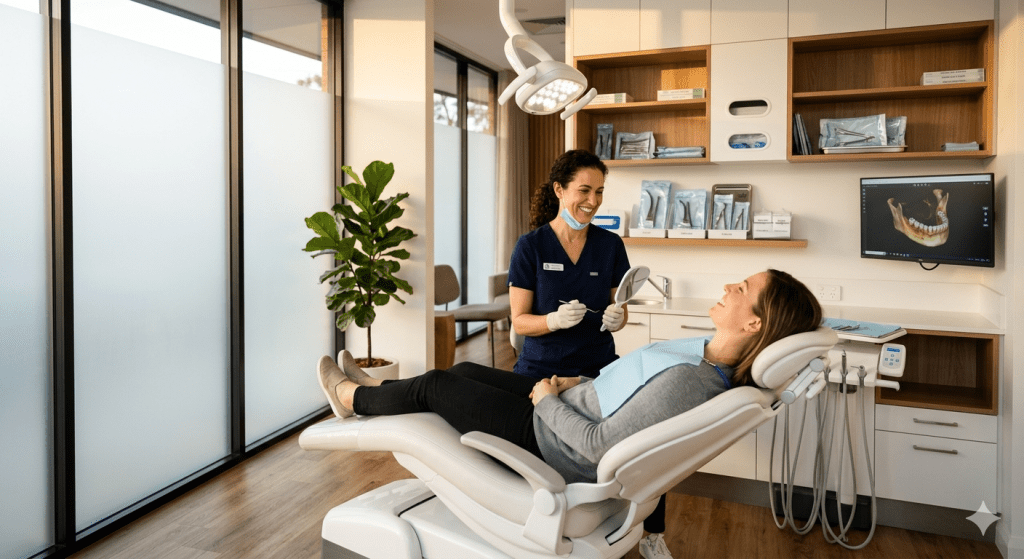
You live in or near Walnut Creek and want a brighter smile without guessing which option fits your lifestyle and budget. A local dental office can usually give faster, safer, and longer-lasting whitening results than store kits, often tailored to your sensitivity and staining type.
They will explain why stains happen, compare in-office treatments and take-home trays, and walk you through what to expect during an appointment so you feel comfortable and informed. Expect practical tips on maintaining results, cost considerations, and when a dental exam is essential to avoid wasting time or harming enamel.
Understanding Teeth Discoloration
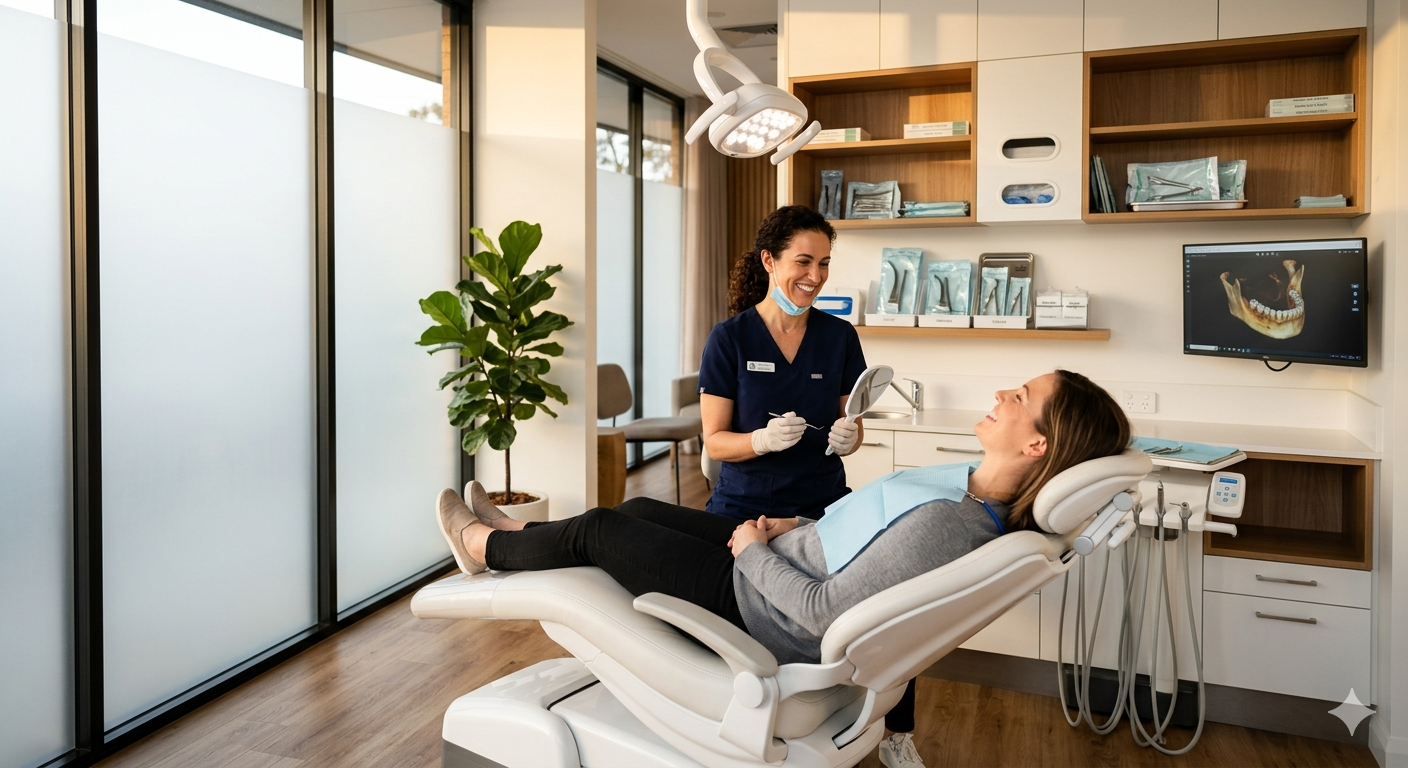
Teeth discoloration results from a mix of surface stains, internal changes, and habits that affect enamel and dentin. Knowing the specific cause helps choose the right whitening option and avoid ineffective treatments.
Common Causes of Staining
External staining comes from chromogens — pigmented compounds in foods and drinks like coffee, red wine, tea, and cola — that bind to enamel’s microscopic roughness. Tobacco smoke deposits tar and nicotine, which darken teeth over time and can make stains harder to remove.
Poor oral hygiene allows plaque and calculus to build up, creating a yellowish film that attracts more staining agents. Certain medications, such as tetracycline taken during tooth development, fluoride overexposure in childhood, and some antihistamines or antipsychotics, can cause intrinsic discoloration that whitening gels may not fully correct.
Dental trauma can darken a single tooth when blood or pulp tissue pigments the dentin. Aging thins enamel and exposes naturally darker dentin underneath, so even people who avoid staining foods can notice gradual color change.
Types of Tooth Stains
Extrinsic stains sit on the enamel surface and respond best to professional cleaning, whitening toothpastes, and in-office whitening systems. These stains often present as uniform yellowing or surface spots after frequent exposure to staining agents.
Intrinsic stains occur within the tooth structure (enamel or dentin) and stem from developmental issues, trauma, or certain medications. They appear as gray, brown, or banded discoloration and usually require stronger in-office bleaching, internal bleaching for non-vital teeth, or restorative options like veneers.
Age-related staining is a combination: enamel erosion plus gradual dentin darkening. Stain classification guides treatment: surface polish for extrinsic, peroxide-based bleaching or internal bleaching for intrinsic, and veneers or bonding when bleaching alone won’t achieve the desired shade.
How Diet and Lifestyle Affect Tooth Color
Acidic foods and drinks (citrus, soda, sports drinks) erode enamel over time, making teeth more porous and prone to staining. Frequent snacking and sipping prolong acid exposure and increase stain risk even if individual items aren’t heavily pigmented.
Regular consumption of dark beverages (coffee, black tea, red wine) deposits chromogens repeatedly, so staining accumulates predictably with quantity and frequency. Tobacco accelerates staining and compromises gum health, which can indirectly affect perceived tooth color.
Lifestyle changes can reduce future discoloration: rinse with water after staining foods, use a straw for dark drinks, quit or reduce tobacco use, and maintain twice-daily brushing plus daily flossing. Professional cleanings every six months remove stubborn extrinsic stains and let whitening treatments work more predictably.
Professional Teeth Whitening Options
Professional whitening focuses on safe, predictable shade improvement, personalized to dental health and lifestyle. Patients can expect faster results than OTC products and treatments tailored for sensitivity, restorations, and timing before events.
In-Office Whitening Treatments
In-office treatments use a high-concentration peroxide gel applied by a dental professional for rapid color change. The dentist isolates gums with a barrier, applies the gel, and may use a curing light to accelerate the chemical reaction; a typical session lasts 45–90 minutes and often produces 4–8 shades of improvement in one visit.
Dental staff assess enamel condition, existing crowns or veneers, and any gum disease beforehand to avoid uneven results or irritation. They also offer desensitizing agents during or after the procedure to reduce post-treatment sensitivity. Pricing varies by practice, but expect a single-visit investment that combines speed and supervision.
Custom Take-Home Whitening Kits
Custom take-home kits begin with a dental visit for impressions that create personalized soft trays. The dentist supplies a lower-concentration peroxide gel and instructs on daily wear times—usually 30 minutes to overnight—over 1–2 weeks, allowing gradual whitening with controlled exposure.
Custom trays improve gel contact and protect gums better than store trays. They suit patients who prefer flexible scheduling or who need gentler, progressive whitening due to sensitivity. Follow-up appointments check progress and advise on retreatment intervals; results can last from several months to a few years depending on diet and hygiene.
Laser Whitening Procedures
Laser whitening pairs a peroxide gel with a focused light source to speed oxidation of stain molecules. The dentist applies protective barriers, places the gel on tooth surfaces, and activates the laser in timed cycles; sessions typically run 30–60 minutes and may yield noticeable change immediately.
This approach can intensify whitening but may increase short-term sensitivity, so clinicians screen for risk factors first. It works best on extrinsic and some intrinsic stains, though restorations won’t change color. Patients should discuss expectations, potential discomfort, and maintenance strategies like touch-up trays or avoiding staining foods and beverages.
Comparing Professional and At-Home Whitening
Professional whitening performed by a dentist and at-home systems differ mainly in strength, oversight, and speed. Readers should expect faster, more controlled results with in-office treatments and more affordable, slower changes with home kits.
Effectiveness and Results
In-office whitening uses higher-concentration peroxide (typically 25–40% hydrogen peroxide or equivalent) and often light or laser activation. That produces noticeable shade changes—usually 4–8 shades—in a single 60–90 minute appointment, depending on initial tooth color and presence of intrinsic stains.
Take-home trays from a dentist use lower peroxide (10–20%) but custom-fitted trays for even contact and distribution. These usually require daily wear for 1–2 weeks to reach similar results as one in-office visit, and they work better on deep stains than over-the-counter strips.
Over-the-counter (OTC) strips and gels use much lower peroxide (around 3–10%) and give modest improvements (1–3 shades) over several weeks. They often fail on restorations, fluorosis, or tetracycline stains; professional options handle those cases better.
Safety Considerations
Dentist-supervised whitening begins with an exam to rule out active decay, gum disease, or exposed dentin that increase sensitivity. Dental professionals protect gums with barriers and adjust peroxide concentration to reduce chemical irritation.
Custom trays limit gel contact to teeth surfaces, which lowers gum exposure and uneven results. Dentists can also recommend desensitizing products or prescriptions for patients with dentin hypersensitivity before starting treatment.
OTC products lack professional assessment and fit, raising the risk of gum burns, uneven whitening, and worse sensitivity. People with crowns, veneers, or large fillings should consult a dentist since these restorations won’t change color and may need replacement for a uniform smile.
Time Commitment
An in-office session typically takes 60–90 minutes and may require one to two visits for optimal results. Patients see dramatic whitening quickly, with follow-up maintenance visits recommended every 6–12 months depending on diet and habits.
Dentist-provided take-home trays require about 30–60 minutes of wear daily for 1–2 weeks, or overnight wear for longer protocols. That balances convenience with predictable, monitored results and allows adjustment if sensitivity occurs.
OTC treatments need consistent daily application for 2–6 weeks and often longer for desired shade. They offer flexibility and lower upfront cost but require more time and patience and may still fall short for stubborn or intrinsic stains.
Choosing the Right Whitening Method
Patients should weigh tooth shade goals, treatment speed, budget, and tooth sensitivity when choosing a whitening option. Professional in-office treatments, take-home dentist trays, and over-the-counter products each have pros and cons tied to safety, effectiveness, and cost.
Assessing Your Dental Health
A dentist should examine restorations, cavities, gum disease, and tooth wear before whitening. Fillings, crowns, veneers, and bonding do not lighten with peroxide; whitening can create uneven color if restorations are present.
If decay or active gum inflammation exists, clinicians typically treat those conditions first to avoid irritation and uneven results.
A dental exam often includes X‑rays and shade matching under natural light. This helps the clinician recommend in-office whitening for faster, more controlled results, or custom trays for gradual brightening at home.
Patients with heavy intrinsic stains—tetracycline discoloration or fluorosis—may need alternative cosmetic options such as veneers or bonding rather than peroxide whitening.
Considerations for Sensitive Teeth
Tooth sensitivity is common during and after bleaching; it usually peaks within 24–48 hours and subsides within days. Desensitizing toothpaste with potassium nitrate and fluoride applied daily for two weeks before whitening reduces nerve responsiveness and lowers discomfort risk.
Dentists can prescribe lower‑concentration gels in custom trays or offer in-office treatments with desensitizing agents applied before and after illumination.
For severe sensitivity, clinicians may stagger sessions, shorten application time, or recommend non‑peroxide approaches like microabrasion for enamel surface stains.
Discuss past sensitivity, dentin exposure, and recent restorations with the dentist so the chosen protocol balances whitening goals with comfort.
What to Expect During a Whitening Appointment
The visit focuses on safety, predictable whitening results, and patient comfort. It typically includes an exam, a controlled bleaching process, and clear aftercare instructions so patients know how to protect their new shade.
Pre-Treatment Assessment
The clinician examines teeth and gums to confirm suitability for whitening. They check for cavities, worn enamel, existing restorations, and gum disease because active problems increase sensitivity and reduce effectiveness.
They review the patient’s dental history and any tooth-colored restorations, noting that crowns, veneers, and fillings do not bleach. The provider measures baseline shade with a shade guide or digital imaging to set realistic expectations.
If needed, the hygienist performs a cleaning to remove plaque and surface stains so the bleaching solution contacts enamel evenly. The clinician discusses sensitivity risk and may recommend desensitizing toothpaste or a topical agent before treatment.
They confirm medical history and medications that can affect results, such as tetracycline exposure or smoking habits. Finally, the patient signs informed consent and the provider documents the planned concentration and approximate chair time.
Step-by-Step Procedure Overview
The patient reclines and the clinician isolates lips and cheeks using retractors and a dental dam or cotton rolls. They apply a protective gingival barrier to shield soft tissue from the bleaching gel.
The clinician places a hydrogen peroxide or carbamide peroxide gel on tooth surfaces; concentration ranges from about 10%–40% depending on in-office technique. Light or laser activation may be used for 15–20 minute cycles, though many offices rely on chemical activation without light.
Typical in-office sessions last 45–90 minutes total, including setup and multiple gel applications. The clinician monitors comfort and shade progress between cycles and may rinse and reapply gel as needed to reach the planned shade.
If using custom trays for take-home maintenance, the team will make impressions or provide prefilled trays and explain wear schedule—usually nightly or a few hours daily for one to two weeks. They document the achieved shade and any sensitivity experienced.
Aftercare and Recovery
Expect mild to moderate tooth sensitivity for 24–72 hours; it usually peaks within the first day. Use potassium nitrate or fluoride toothpaste, avoid very hot or cold foods, and rinse with a neutral fluoride mouthwash as recommended.
Avoid staining foods and drinks for 48 hours—this includes coffee, red wine, beets, soy sauce, and tobacco. If the clinician provided a touch-up gel or custom trays, follow the prescribed schedule to maintain results.
Report any prolonged pain, gum irritation, or uneven whitening to the office promptly. The clinician will advise on treatment timing for restorations to match the new shade and schedule follow-up or periodic touch-ups every 6–24 months based on lifestyle and staining.
Maintaining Your Bright Smile
Consistent daily practices and smart food choices keep teeth white after professional whitening. Small, repeatable actions protect enamel, reduce staining, and extend the life of in-office or take-home treatments.
Daily Habits for Lasting Results
They should brush twice daily with a soft-bristled toothbrush and a fluoride toothpaste. Brushing removes surface stains and plaque; use gentle circular motions for two minutes to avoid enamel abrasion.
They should floss once daily to remove interdental staining and prevent plaque buildup that can dull tooth surfaces. An interdental brush or water flosser can help if tight contacts make flossing difficult.
They should rinse with a non-alcohol fluoride mouthwash after meals when brushing isn’t possible. This reduces acid and adds enamel protection without drying the mouth.
They should use touch-up whitening trays or strips as directed by the dentist — typically once every few months or as prescribed. Overuse can increase sensitivity, so follow timing and concentration guidelines.
They should avoid tobacco entirely and schedule regular cleanings every 6 months. Professional cleanings remove tartar and surface stains that at-home care cannot.
Foods and Drinks to Avoid
They should limit dark beverages: coffee, black tea, red wine, cola, and dark fruit juices are primary culprits. When consuming these, use a straw and rinse with water afterward to minimize contact with teeth.
They should avoid acidic foods and drinks like citrus, soda, and sports drinks immediately after whitening. Acid softens enamel, increasing susceptibility to staining and sensitivity for 24–48 hours.
They should be cautious with staining foods such as soy sauce, curry, beets, and tomato-based sauces; consider lighter alternatives or eat them with a meal to reduce exposure time. Chewing sugar-free gum after meals stimulates saliva, which naturally helps clear pigments.
They should moderate consumption of berries and dark chocolates; enjoy them in small portions and follow with water or brushing when feasible. If persistent staining occurs, schedule a touch-up or cleaning with the dental office for targeted removal.
Contact the dental office for questions about sensitivity, appropriate follow-up whitening, or personalized dietary adjustments to maintain results.
Benefits of Visiting a Walnut Creek Dentist
Visiting a Walnut Creek dentist offers professional teeth whitening tailored to individual needs. A dentist evaluates enamel health and identifies stains that over-the-counter kits cannot safely treat.
They use stronger, regulated bleaching agents that produce more consistent results. In-office options often deliver faster whitening with built-in sensitivity control.
A local dentist combines whitening with a thorough oral exam to catch cavities, gum disease, or restorations that affect appearance. Treating those issues first prevents uneven results and protects long-term tooth health.
Patient comfort is a priority in modern Walnut Creek practices. Dentists provide desensitizing gels, protective barriers, and chairside support to reduce discomfort during and after treatment.
Choosing a dentist means access to custom take-home trays and professional guidance for maintenance. These trays fit precisely, minimizing gel contact with gums and improving whitening uniformity.
A dentist can set realistic expectations based on tooth shade, previous dental work, and lifestyle factors like coffee or tobacco use. That helps patients plan follow-up treatments and timing around events.
Many Walnut Creek clinics combine whitening with cosmetic services such as bonding or veneers when stains won’t respond to bleaching. This integrated approach creates a more natural, long-lasting smile.
If a patient wants safer, faster, and more predictable whitening with attention to overall oral health, consulting a Walnut Creek dentist is a sensible next step.
Understanding Potential Risks and Side Effects
Teeth whitening can produce temporary sensations and soft-tissue reactions that most providers manage effectively. Knowing how sensitivity and gum irritation occur, how long they typically last, and what to do reduces anxiety and improves outcomes.
Managing Sensitivity
Sensitivity most often appears as short, sharp pain to cold, hot, or sweet stimuli after whitening. It results from peroxide penetrating enamel and temporarily increasing fluid movement in exposed dentin tubules. Sensitivity typically begins within hours of treatment and peaks in the first 48 hours; for most patients it subsides within 3–7 days.
Dentists recommend several practical steps to reduce discomfort:
- Use a desensitizing toothpaste containing potassium nitrate or stannous fluoride twice daily starting 1–2 weeks before treatment and continuing for 2–4 weeks after.
- Request lower-concentration in-office gels or shorter application cycles, or try at-home custom trays with reduced peroxide strength.
- Apply topical desensitizers in-office (fluoride varnish or bonding resin) if sensitivity is moderate to severe.
If pain persists beyond two weeks, or if there is lingering throbbing or swelling, the patient should contact the dentist to rule out cracked teeth, exposed root surfaces, or underlying dental disease.
Minimizing Gum Irritation
Gum irritation stems from whitening gel contacting soft tissue, causing redness, swelling, or mild burning. Improper tray fit, overfilling of gel, or using non-custom trays increases the risk. Irritation generally appears immediately or within a day and usually resolves within 48–72 hours after stopping treatment.
Practical measures to prevent and treat gum irritation:
- Use custom-fitted trays made from impressions to ensure gel stays on teeth, not gums.
- Place only a pea-sized drop per tooth in trays, or follow the provider’s measured dosing instructions.
- Rinse with cool water and apply a bland, over-the-counter oral gel (e.g., 20% benzocaine-free options are preferable) if the tissue feels sore.
- Avoid whitening while wearing ill-fitting store trays or if active gum disease or open sores exist; treat periodontal issues first.
If irritation is severe, persistent beyond a few days, or accompanied by blistering, contact the dental office for assessment and possible prescription topical treatment.
Cost and Affordability Considerations
Costs for teeth whitening in Walnut Creek, CA vary by method and provider. In-office professional whitening typically ranges higher due to chair time and stronger bleaching agents, while take-home kits from a dentist cost less but still provide custom trays and professional oversight.
Over-the-counter products like strips and whitening toothpaste are the least expensive up front, but they often produce subtler results and may require longer or repeated use. Patients should weigh immediate cost against desired outcome and time commitment.
Many dental offices offer payment options: insurance rarely covers cosmetic whitening, but practices often accept credit cards, CareCredit, or in-house payment plans. Asking about financing during a consultation helps avoid surprise bills.
Compare pricing with what’s included: some quotes cover initial exam and follow-ups, while others list only the procedure. Request a written estimate that specifies pre- and post-care, sensitivity treatments, and any required impressions for trays.
Typical price ranges (approximate):
- In-office professional: $400–$1,000
- Dentist-prescribed take-home kits: $150–$400
- OTC products: $10–$60
Patients with dental sensitivity or restorative work (crowns, veneers) should factor in potential extra treatments. A candid discussion with the dentist can identify the most cost-effective, comfortable approach for each smile.
They should consider scheduling a consultation to review options, ask about promotions, and create a plan that balances results, comfort, and budget.
When to Consult a Dental Professional
If stains or discoloration appear suddenly or worsen quickly, a dental professional should evaluate the cause. Rapid changes can signal underlying problems like infection, medication effects, or enamel damage that over-the-counter products cannot fix.
People with tooth sensitivity, gum irritation, or mouth sores after using whitening products should stop treatment and see a dentist. These symptoms may indicate enamel erosion, allergic reaction, or gum disease requiring professional care.
Those with dental restorations — crowns, veneers, or bonding — need a consultation before whitening. Restorations do not change color with bleaching, so a dentist can plan matching adjustments or recommend alternatives.
Expectant or nursing patients, and individuals with certain medical conditions, should seek dental advice before whitening. A clinician will review medical history and advise on safe timing or non-bleaching options.
A dental visit is wise when results from store-bought whiteners are uneven or unsatisfactory. The dentist can offer professional treatments, custom trays, or in-office procedures that produce more predictable, uniform outcomes.
Use the checklist below to decide if a visit is needed:
- Sudden or severe color change
- Pain, burning, or persistent sensitivity
- Existing crowns, veneers, or fillings
- Pregnancy, nursing, or complex medical history
- Poor or uneven results with OTC products
A friendly Walnut Creek dental professional can assess risks, explain options, and tailor a whitening plan that prioritizes comfort and long-term oral health. They encourage questions and offer next steps for safe, effective whitening.
Next Steps Toward a Whiter Smile
They should start with a consultation at a Walnut Creek dental office to evaluate tooth stains, sensitivity, and overall oral health. A quick exam helps the dentist choose between in-office whitening, take-home trays, or safe over-the-counter options.
Patients often receive personalized recommendations and a clear treatment timeline. In-office whitening delivers faster results in one visit, while custom take-home trays provide gradual brightening over 1–2 weeks.
Consider simple daily habits that support whitening: use a soft-bristled brush, avoid smoking, and limit staining foods like coffee and red wine. Maintaining routine cleanings every six months reduces surface stains and keeps results longer.
Compare costs, expected results, and sensitivity risks for each option before deciding. Many practices offer payment plans or whitening bundled with other services to make treatment manageable.
Ask about desensitizing gels or lower-concentration formulas if tooth sensitivity is a concern. They can recommend fluoride treatments or gentle pain-relief options to improve comfort during and after whitening.
Here’s a quick checklist to bring to the appointment:
- Recent dental records or X-rays, if available
- List of medications and dental products used
- Photos of the smile and areas of concern
- Questions about downtime, cost, and maintenance
They should call or message the Walnut Creek clinic to schedule the consultation and discuss next steps. The practice can tailor a plan that balances safety, comfort, and the whitening results the patient wants.
Frequently Asked Questions
This section answers practical questions about costs, treatment choices, longevity, sensitivity, restorations, and what happens during an appointment. It gives clear figures, typical timelines, and comfort-focused tips to help patients decide and prepare.
How much does professional teeth whitening typically cost, and what affects the price?
Professional in-office whitening in Walnut Creek usually ranges from $400 to $1,000 per treatment, depending on the practice. Take-home custom trays from a dentist commonly cost $200–$400, while over-the-counter kits cost $20–$100.
Factors that affect price include the concentration of bleaching agent, whether a light or laser is used, the dentist’s experience, and any pre-treatment needed (like cleaning or addressing decay). Geographic location, clinic reputation, and included follow-up care or touch-ups also influence cost.
Is in-office whitening worth it compared with take-home trays or over-the-counter strips?
In-office whitening delivers faster, more noticeable results in one visit—often several shades lighter—because higher peroxide concentrations and professional isolation are used. It suits patients who want quick results for events or who have stubborn stains.
Take-home custom trays offer professional control with gradual whitening over 1–2 weeks and better protection for gums than OTC strips. Over-the-counter strips are the least expensive but give milder, less predictable results and can irritate tissues if misused.
How long will my whitening results last, and what can I do to keep my smile bright?
Results typically last 6 months to 2 years, with many patients seeing good color retention for about a year. Duration varies with diet, oral hygiene, and habits like smoking.
To extend results, avoid staining foods and drinks (coffee, red wine, tea) or use a straw, maintain twice-daily brushing with a whitening toothpaste, floss daily, and schedule dental cleanings every 6 months. Many dentists offer take-home touch-up gel or periodic in-office maintenance to refresh color.
Will whitening make my teeth sensitive, and what can be done to keep me comfortable?
Some temporary sensitivity is common, especially within 24–72 hours after treatment. The sensitivity usually affects cold or air exposure and subsides within a few days to a week.
Dentists can minimize discomfort by using lower-concentration gels, desensitizing agents before or after treatment, and recommending potassium nitrate or fluoride toothpaste. For highly sensitive patients, a staged protocol or longer, lower-dose home whitening may be advised.
Am I a good candidate for whitening if I have crowns, veneers, or fillings on my front teeth?
Whitening does not change the color of crowns, veneers, or composite fillings, so those restorations can end up mismatched after bleaching. Patients with existing restorations on front teeth need careful planning.
A dentist will evaluate restorations and may recommend replacing visible restorations after whitening to match the new shade. For extensive restorations, alternative cosmetic options like veneers might be a better route.
What should I expect during a whitening appointment, and how long does the visit usually take?
An initial visit typically includes a dental exam and cleaning to ensure teeth and gums are healthy for whitening. The appointment then moves to shade assessment, gum protection, and application of the whitening gel.
In-office whitening appointments usually take 60–90 minutes, depending on the system and number of gel applications. Take-home tray visits take about 30–45 minutes to fit trays and provide instructions.